

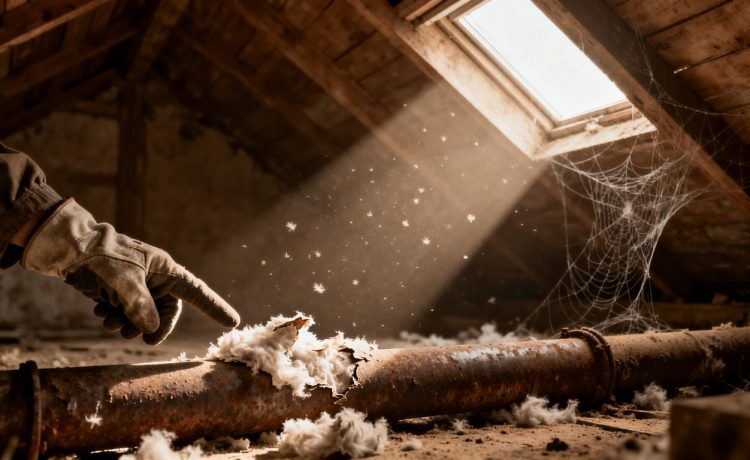
What Is Asbestos and Why Was It Common?
Asbestos is a group of naturally occurring minerals. For a long time, builders liked using it because it’s strong, doesn’t burn easily, and helps keep heat in. This made it a popular choice for many building materials used in homes constructed from the early 1900s up until the 1980s. Think of things like insulation, roofing shingles, and even some types of flooring. Its widespread use means that many older homes likely contain materials with asbestos. The problem is that when these materials break down, they release tiny fibers into the air.
The Hidden Dangers of Asbestos Exposure
Breathing in these microscopic asbestos fibers is where the danger lies. These fibers can get stuck in your lungs and stay there for a very long time. Over years, this can lead to serious health issues. The most well-known are lung diseases like asbestosis, which makes breathing difficult, and certain types of cancer, including mesothelioma. It’s important to remember that these health problems often don’t show up for decades after exposure. This long delay is why asbestos is often called a silent hazard.
Why Homeowners Should Not Ignore the Risk
If you own an older home, especially one built before the 1980s, it’s wise to be aware of the potential for asbestos. You might not even know it’s there. Disturbing asbestos-containing materials, perhaps during a renovation, repair, or even just cleaning, can release those dangerous fibers. Simply living in a home with intact asbestos materials is generally not an immediate risk, but any activity that could disturb them warrants caution. Ignoring the possibility means you might unknowingly put yourself and your family at risk. Understanding where asbestos might be and how to handle it safely is key to protecting your home’s occupants.
Identifying Potential Asbestos Locations
Older homes, particularly those constructed before the 1980s, can contain asbestos in a surprising number of building materials. Recognizing these common locations is the first step in assessing potential risks. While visual inspection alone cannot confirm the presence of asbestos, it can help identify suspect materials that may require further professional testing.
Common Areas for Asbestos in Older Homes
Asbestos was incorporated into many building products for its insulating and fire-resistant properties. Homeowners should be aware of the following high-risk areas:
- Insulation and Pipe Lagging: Older homes often used asbestos-containing materials for insulating attics, walls, and around heating pipes and boilers. This material might appear as a fibrous or fluffy insulation, or as a hard, cement-like coating on pipes.
- Roofing, Siding, and Cement Products: Asbestos was frequently mixed into cement for roofing shingles, corrugated roofing sheets, exterior siding panels, and soffits. These materials can look like standard cement but may contain asbestos fibers.
- Flooring and Textured Coatings: Vinyl floor tiles, the adhesive used to lay them, and textured paints or coatings applied to ceilings and walls (like popcorn ceilings) are also common places to find asbestos. These can appear as brittle tiles or a rough, uneven surface texture.
Insulation and Pipe Lagging
In older homes, insulation was a prime candidate for asbestos use due to its excellent heat resistance. You might find it in:
- Attic and Wall Insulation: Loose-fill or batt insulation in attics and crawl spaces could contain asbestos fibers.
- Boiler and Furnace Insulation: The materials surrounding heating systems were often designed to withstand high temperatures and frequently included asbestos.
- Pipe and Duct Insulation: Wrapped insulation around hot water pipes, steam pipes, and air ducts was a common application for asbestos, often appearing as a white or greyish material.
Roofing, Siding, and Cement Products
Asbestos cement products were popular for their durability and resistance to fire and weather. When inspecting these areas, look for:
- Roof Shingles and Tiles: Asbestos-containing shingles might have a textured appearance or mimic natural materials like slate.
- Corrugated Roofing Sheets: Often found on sheds, garages, and outbuildings, these sheets can be brittle and may contain asbestos.
- Exterior Siding and Cladding: Asbestos cement siding panels were used for their weather resistance and fireproofing qualities.
Flooring and Textured Coatings
These interior finishes can also harbor asbestos:
- Vinyl Floor Tiles: Both the tiles themselves and the black adhesive used to secure them can contain asbestos.
- Sheet Vinyl Flooring: Older sheet vinyl flooring and its backing may also be a source.
- Textured Ceiling and Wall Finishes: Materials like popcorn ceilings or textured wall paints applied before the late 1980s are highly suspect for asbestos content.
Recognizing Signs of Asbestos Materials
Visual Inspection Techniques
It’s almost impossible to be certain whether a material contains asbestos just by looking at it, but some visual cues can help you spot potential risks. Inspect surfaces for anything that looks fibrous, fluffy, or is starting to crumble. Materials like ceiling tiles and wall insulation may have a rough, uneven texture that stands out from modern products. Here’s a straightforward process homeowners can follow:
- Walk through each room and check corners, ceilings, and pipe fittings for aged or frayed materials.
- Use a flashlight to examine dark spaces like attics, basements, or behind furnaces.
- Note anything that looks out of place or unusually old and record its location and condition in a simple log.
If you’re unsure, it’s safer to assume something could be suspect and leave it untouched.
Signs of Deterioration and Damage
The real danger with asbestos comes when it’s broken down or disturbed. Be on the lookout for the following changes in older building materials:
- Cracks or splits along pipe insulation or wallboard
- Soft, powdery edges on tiles or wall panels
- Discoloration or water stains, especially on ceilings or near roof lines
- Materials that seem to be “shedding” small, fine fibers, sometimes resembling frayed fabric
If you spot any of these, avoid all contact. Even a slight disturbance can send asbestos fibers into the air.
Materials Commonly Containing Asbestos
A lot of old building products included asbestos and still sit, unnoticed, in homes. Here are some of the most common spots:
- Floor tiles (often 9 x 9 inches) and their adhesives
- Textured wall and ceiling coatings, like popcorn ceilings
- Pipe and duct insulation—sometimes wrapped in cloth or cardboard-like layers
- Cement roofing shingles and exterior wall panels
- Backing on vinyl sheet flooring
If any of these materials look damaged, or you’re unsure about their makeup, it’s smart to call a professional for proper testing. Don’t attempt repairs or removal yourself—it’s not worth the risk. Asbestos is one hazard you really don’t want to guess about.
The Importance of Professional Asbestos Testing
When you live in an older home, you might wonder about materials that were common decades ago but aren’t used much now. Asbestos is one of those things. It was used in so many building products because it’s strong and resists heat. But we now know it’s a health hazard. If you think you might have asbestos in your house, the best thing to do is get it tested by professionals. Trying to figure it out yourself can be risky.
When to Arrange Professional Testing
It’s a good idea to get professional testing done if you’re planning any work that could disturb materials that might contain asbestos. This is especially true if you’re thinking about:
- Making changes to your kitchen or bathroom.
- Replacing a garage roof or doing work in the attic.
- Any kind of structural renovation or demolition.
- Simply noticing materials that look damaged or are starting to break down.
Don’t guess about asbestos; get it tested. Even if a material looks fine, it could still release harmful fibers if disturbed.
The Role of Certified Surveyors
Certified asbestos surveyors are trained to find and sample suspect materials safely. They know where to look for asbestos and how to collect samples without spreading fibers into the air. They’ll take small pieces of the material and send them to a special lab for analysis. This lab work is the only way to know for sure if asbestos is present and what type it is. The surveyor’s job is to give you clear information so you can make the right decisions about managing the material.
Understanding Test Results and Reports
After the lab tests the samples, you’ll get a report. This report will tell you if asbestos was found, where it was found, and how much of it there is. It will also describe the condition of the material. Based on these results, the surveyor can advise you on the next steps. Sometimes, the best option is to leave the material alone if it’s in good condition and won’t be disturbed. Other times, it might need to be sealed off (encapsulated) or removed entirely by licensed professionals. The report is your guide to safely managing the asbestos in your home.
Safely Managing Asbestos in Older Homes
Once asbestos has been identified in your older home, the next step is to manage it safely. This involves understanding the available options and knowing when to call in the professionals. Disturbing asbestos-containing materials can release harmful fibers into the air, so caution is paramount.
Encapsulation vs. Removal Options
There are two primary approaches to managing asbestos: encapsulation and removal. The best choice depends on the material’s condition and its location.
- Encapsulation: This method involves sealing the asbestos-containing material. It can be done by coating the material with a sealant or by enclosing it within a protective barrier. Encapsulation is often a viable option if the material is in good condition and unlikely to be disturbed. It’s generally less disruptive and less costly than removal.
- Removal: This is the process of completely taking out the asbestos-containing material. Removal is typically recommended when the material is significantly damaged, friable (easily crumbled), or located in an area that will be frequently accessed or renovated. This is a more involved process that requires specialized procedures.
Professional Abatement Services
For both encapsulation and removal, engaging certified asbestos abatement professionals is highly recommended. These individuals have the training, equipment, and knowledge to handle asbestos safely and in compliance with regulations. Attempting to manage asbestos yourself can lead to significant health risks and potential legal issues. Professionals can conduct a thorough assessment and recommend the most appropriate management strategy for your specific situation. They are trained to handle hazardous materials safely, minimizing exposure risks for everyone in the household.
Avoiding Disturbance of Suspect Materials
Until a professional assessment is completed, it is best to assume that any suspect material in an older home may contain asbestos. Therefore, it is vital to avoid disturbing these materials. This includes:
- Refraining from sanding, scraping, or drilling into materials like textured paint, insulation, or floor tiles.
- Not attempting to remove old flooring or ceiling tiles without professional guidance.
- Minimizing activities that could cause dust or debris in areas where asbestos might be present, such as during general cleaning or minor repairs.
Long-Term Asbestos Risk Management
Establishing Regular Inspection Schedules
After any initial asbestos testing or abatement, it’s important to keep an eye on things. Think of it like regular check-ups for your house. You’ll want to set up a schedule for looking at areas where asbestos might still be present or where it was treated. Doing this every six months to a year is a good idea. During these checks, look for any changes. This could be anything from small cracks appearing in materials to signs of water damage, which can make asbestos-containing materials break down. Catching these issues early is key to preventing fibers from becoming airborne. If you see anything concerning, it’s best to stop and call a professional rather than trying to fix it yourself.
Educating Household Members
Everyone who lives in the house needs to know about the potential asbestos risks. This isn’t about scaring anyone, but about being informed. Make sure everyone understands which materials are suspect and why it’s important not to disturb them. This means avoiding DIY projects in areas like attics or basements where asbestos might be present, especially if you’re not sure what you’re dealing with. Simple actions, like knowing not to drill into old textured ceilings or disturb old pipe insulation, can make a big difference in keeping the environment safe.
Maintaining Documentation of Asbestos Work
Keeping good records is a smart move for any homeowner, and it’s especially true when dealing with asbestos. You should keep copies of any inspection reports, testing results, and records of any work that was done, like abatement or encapsulation. This documentation is helpful for several reasons. It provides a clear history of what has been identified and managed in your home. This information is invaluable if you ever decide to sell your house, as it can be used for disclosure. It also helps future professionals understand the situation quickly if you need further assessments or work done down the line. Basically, it’s a way to keep track of your home’s asbestos history and ensure continued safety.