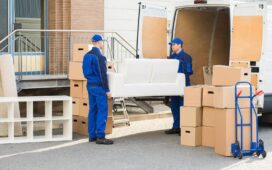

Moving large furniture and household appliances can be one of the most challenging parts of relocating to a new home. Sofas, refrigerators, washing machines, wardrobes, and dining tables require more preparation than ordinary household belongings because of their weight, dimensions, and potential for damage.
Whether you are moving into a detached house, condominium, or apartment, transporting oversized items requires careful measurements, appropriate equipment, and a clear understanding of the property’s access conditions.
In Canada, seasonal weather, narrow staircases, elevator restrictions, and long distance transportation can add further complications.
Fortunately, proper preparation can help protect your furniture, reduce unnecessary delays, and make moving day more manageable.
Here are ten practical tips for preparing large furniture and appliances for your next relocation.
1. Measure Furniture Before Moving Day
One of the most common moving challenges occurs when large furniture cannot fit through a doorway, hallway, or staircase.
Before packing, measure the height, width, and depth of your largest belongings.
Pay particular attention to sectional sofas, wardrobes, dining tables, bed frames, and oversized cabinets.
Compare these measurements with the available space at both your current property and your destination.
Remember to account for tight corners, low ceilings, stairway landings, and door frames.
If an item cannot be moved safely through the available route, consider whether it can be disassembled or whether specialized handling is required.
Taking accurate measurements in advance can prevent unnecessary complications on moving day.
2. Prepare Appliances for Transportation
Household appliances require specific preparation before they can be transported.
Refrigerators and freezers should be emptied, cleaned, and prepared according to the manufacturer’s instructions.
Washing machines may require transit bolts or other manufacturer-specified measures to protect internal components.
Dishwashers and other water-connected appliances should be disconnected properly, with remaining water drained where appropriate.
For gas appliances, use qualified professionals for disconnection and reconnection.
Secure removable shelves, trays, and accessories separately to prevent movement during transportation.
Always consult the appliance manual because preparation requirements can vary between models.
3. Discuss Heavy Items With Your Moving Company
Large furniture and appliances may require additional workers, specialized equipment, or extra preparation.
A professional Moving Company can help coordinate the transportation of bulky household belongings when the necessary services are included in the moving agreement.
When requesting an estimate, provide an accurate inventory of heavy or oversized items.
Mention refrigerators, washing machines, large wardrobes, exercise equipment, and unusually heavy furniture.
Explain whether the items must be carried up or down stairs or transported through narrow entrances.
Ask whether protective wrapping, furniture disassembly, appliance handling, and placement at the destination are included.
Confirm any additional charges before booking.
Providing detailed information helps the moving provider assess the equipment and resources required.
4. Plan Furniture Moving in Ottawa
Moving large furniture in Ottawa can involve different challenges depending on the neighbourhood and type of property.
For example, older homes in Centretown may have narrower staircases and entrances, while newer residential properties in Kanata, Barrhaven, and Orléans may present different access arrangements.
When researching Movers Ottawa, explain the dimensions of your largest belongings and describe the access conditions at both properties.
For apartment and condominium moves, confirm whether the building has a suitable service elevator and whether advance reservations are necessary.
If your move involves winter conditions, make sure entrances, driveways, and walkways are cleared of snow and ice.
Also consider parking availability and the distance between the moving vehicle and the property entrance.
Preparing these details can help reduce delays and improve coordination on moving day.
5. Disassemble Furniture When Appropriate
Some furniture is easier and safer to transport when partially disassembled.
Bed frames, modular shelving, dining tables, and certain sectional sofas may have removable components.
Before taking anything apart, review the manufacturer’s instructions and determine whether disassembly is recommended.
Keep screws, bolts, brackets, and other hardware in clearly labelled containers or bags.
Take photographs before disassembly to make reassembly easier.
Avoid forcing components apart or attempting to dismantle furniture that requires specialized tools or knowledge.
For complex or expensive items, consider requesting professional assistance.
Proper disassembly can make transportation more manageable while reducing the risk of damage.
6. Protect Furniture Surfaces and Fragile Components
Large furniture can be vulnerable to scratches, dents, and other damage during handling and transportation.
Use appropriate furniture blankets, protective padding, and wrapping materials where necessary.
Pay particular attention to wooden surfaces, glass panels, decorative finishes, and exposed corners.
Remove loose shelves, drawers, and detachable accessories when recommended.
Protect glass components separately with suitable packing materials.
Avoid applying adhesive tape directly to finished furniture surfaces because it may leave residue or damage certain coatings.
For upholstered furniture, consider breathable protective coverings suited to the material and expected transportation conditions.
The objective is to protect belongings without introducing moisture or other risks.
7. Use Appropriate Moving Equipment
Transporting heavy items without suitable equipment increases the risk of injury and property damage.
Depending on the item and environment, moving professionals may use appliance dollies, furniture dollies, lifting straps, and other handling equipment.
However, equipment must be appropriate for the item’s weight, dimensions, and access route.
Never assume that a standard household hand truck is suitable for every appliance.
Avoid attempting to move extremely heavy furniture alone.
If an item cannot be handled safely, arrange appropriate assistance rather than improvising.
Protect floors and doorways where necessary, and keep pathways clear of obstacles.
Safe handling should take priority over completing the move quickly.
8. Consider Weather Conditions During Transportation
Canadian weather can affect how furniture and appliances are prepared and transported.
During winter, snow, ice, and freezing temperatures may create hazards around loading areas.
Certain materials and electronic components may also be sensitive to extreme temperatures.
During rainy conditions, upholstered furniture and cardboard packaging require appropriate moisture protection.
In summer, high temperatures can make physically demanding moving activities more difficult.
Monitor the weather forecast and prepare access routes accordingly.
For sensitive belongings, consult manufacturer recommendations regarding transportation and storage temperatures.
Avoid leaving temperature-sensitive items in unsuitable conditions longer than necessary.
9. Prepare the Destination Before Delivery
Before moving large items into your new home, decide where each piece of furniture or appliance will be placed.
Measure the intended locations and confirm there is sufficient clearance.
For refrigerators, washing machines, and other appliances, consider ventilation requirements and access to electrical or plumbing connections.
Make sure flooring and recently renovated surfaces are ready for heavy furniture.
Clear hallways and entrances before the moving vehicle arrives.
If you are moving into a condominium, confirm elevator access and building requirements.
Preparing the destination can reduce repeated lifting and unnecessary furniture movement.
It also helps make the unloading process more organized.
10. Inspect and Reassemble Belongings After the Move
Once your furniture and appliances arrive, inspect them before completing the unpacking process.
Check for visible damage, missing components, and other concerns.
Compare delivered belongings with your inventory and document any issues promptly.
Reassemble furniture according to the manufacturer’s instructions.
Ensure that screws, brackets, and other fasteners are installed correctly.
Before reconnecting appliances, review their installation requirements.
Some refrigerators may require a waiting period before operation, depending on how they were transported and the manufacturer’s guidance.
Use qualified technicians for connections or installations that require professional expertise.
A careful final inspection can help ensure your household belongings are ready for use.
Final Thoughts
Moving large furniture and appliances in Canada requires preparation, appropriate equipment, and careful coordination.
Measuring oversized belongings, preparing appliances correctly, protecting furniture surfaces, and checking property access can help prevent avoidable problems.
Whether you are relocating within Ottawa or moving to another Canadian city, communicating your requirements before moving day is an important part of the process.
By following a practical moving plan and prioritizing safe handling, you can protect your belongings and make the transition into your new home more manageable.