

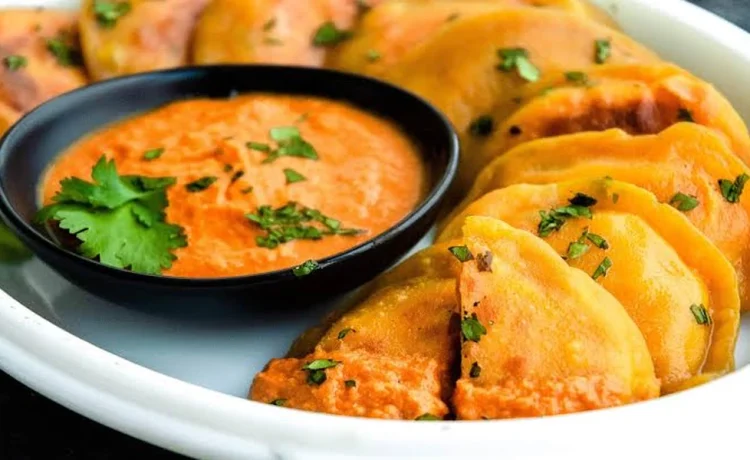
When rich side dishes are already chosen, select the pierogi filling in the context of the whole meal. Identify the flavor that dominates, decide whether the main food should echo it or provide contrast, and keep the final garnish purposeful. The right bag is the one that completes the menu you have, not an isolated favorite added without considering everything beside it.
Look at the whole menu before choosing the bag
Write the existing dishes in plain ingredient terms. A creamy vegetable side, a cheese-heavy dish and a rich sauce may each sound appealing alone, but together they establish a strong direction. Seeing them side by side helps you decide what the main food should contribute. You may want to continue that richness, or you may want something that gives the plate another note.
Find out which parts are fixed. Perhaps a guest is bringing a favorite side, or you already have a prepared component that should be used. Those commitments can shape the filling choice. If the dumplings have not yet been purchased, they are the flexible part of the menu rather than another requirement everyone must work around.
Consider the order of the meal as well. A rich starter followed by a rich dinner creates a different experience from the same dinner served alone. Ask what you would enjoy across the occasion, not only in the first bite. This does not require a formal menu; it requires noticing how the foods relate.
Check the diners’ requirements while the menu is still adjustable. A side someone brings may contain ingredients that matter beyond its flavor. Do not assume the main filling can solve every suitability question. Review the whole planned plate and keep the relevant package information available for the foods you purchase.
Identify the flavor that is already dominant
Cheese can be present in several places without being named in the dish title. If the side is already cheese-centered, Oh! So Cheesy will repeat potato and cheddar in a full-size vegetarian pierogi. That may be a combination you enjoy, but make the repetition deliberate. You can then keep the topping restrained or choose a contrasting vegetable.
If you want the filling to move in another direction, examine the actual alternatives. Potato and onion offers a different emphasis from cheddar. A mushroom blend brings its own savory character. Sweet potato with garlic is another savory option. Compare the named ingredients rather than assuming every non-cheese filling will provide the same kind of contrast.
Notice smoky or peppery elements too. A bacon-rich side paired with a bacon-containing filling can make smoke the recurring note. A strongly peppered side beside a jalapeño filling can intensify the pepper theme. Neither arrangement is automatically wrong, but it should reflect the diners’ preferences rather than an accidental accumulation of similar ingredients.
Decide which dish deserves the most attention. If a guest’s side is the feature you want to showcase, a familiar filling with a modest finish may support it well. If the pierogi filling is the food you are excited to try, simplify the accompaniments where possible. Giving one element a clear role can make the whole meal easier to understand.
Give vegetables a contrasting role
A vegetable side can contribute more than another sauce-covered surface. A fresh preparation may provide crispness, while a plainly cooked vegetable can offer a quieter bite between richer foods. Choose the role you want before deciding how to prepare it. The contrast comes from the actual eating experience, not simply from placing something green on the plate.
Compare the pierogi fillings to explore in the Bronx alongside the vegetables and rich sides already planned. The descriptions can help you choose between a familiar cheddar filling and another savory direction. Confirm the desired variety with the retailer so the final purchase still fits the menu you evaluated.
Use a familiar vegetable preparation when possible. If the meal already includes a special side, another elaborate recipe may add work without adding a distinct experience. A simple salad or a vegetable you cook regularly can be enough. Let its seasoning complement the main filling rather than recreate the strongest sauce elsewhere on the table.
Keep components separate when their textures matter. A dressed salad may be more enjoyable beside the dumplings than underneath a heavy sauce. A shared bowl can let people take the amount they want without soaking the whole plate. Presentation is useful when it preserves the reason you chose the accompaniment.
Use restraint in the final garnish
The garnish is the last opportunity to ask whether the meal already has what it needs. If cheese, cream or bacon is present in the filling and a side, another layer may add little for your taste. A small fresh or tangy finish could offer something different, or the plate may be ready without an additional ingredient.
Try the prepared food before finishing every portion. Offer an optional condiment separately if people want different amounts. This gives the filling and sides a chance to be tasted as planned. It also avoids committing the entire dinner to a topping that sounded useful before you saw the complete plate.
Follow the pierogi package directions and coordinate the sides around that preparation. A well-chosen menu still needs a workable kitchen sequence. If a garnish creates another last-minute task, consider whether it matters enough to delay serving. The meal’s main idea should survive a sensible omission.
Let the filling complete the menu already taking shape. Once every component has a distinct reason to be there, stop adding and serve the combination you actually chose.

