
Key Takeaways
Fake stone siding emerges as a budget-friendly alternative to conventional stone materials, delivering aesthetic appeal without the hefty price tags associated with authentic stone.
Faux stone is often much less expensive to acquire and install compared to natural stone, positioning it as a practical choice for homeowners who are mindful of their spending.
Despite common myths, faux stone products are crafted to be robust and weather-resistant, preserving their structure against moisture and UV damage.
A wide array of styles and finishes in faux stone means clients can customize extensively, appealing to diverse design tastes, from rustic charm to sleek modernity.
Recent trends in faux stone design show a growing preference for mixed materials and accent walls, indicating a burgeoning demand for versatility in aesthetic choices.
Achieving a polished look with faux stone hinges on proper installation, where meticulous measurements and thorough surface prep are essential steps.
Documented success stories illustrate the significant impact of faux stone in various residential and commercial endeavors, enhancing visual appeal and drawing in clientele.
Why Choose Fake Stone Siding Over Traditional Materials?
For those aiming to refresh their properties without overspending, fake stone siding has proven to be an attractive option. Traditional materials often come with exorbitant costs, high installation fees, and ongoing maintenance that can strain budgets. It prompts a pivotal question: why opt for costly options when there are alternatives that bring both beauty and value?
The Cost-Effectiveness of Faux Stone Solutions
When analyzing costs between faux and traditional stone, the financial benefits are striking. Faux stone typically comes at a significantly lower price than natural varieties. Genuine stone often runs into the thousands when considering both materials and installation labor. Clients frequently discover they can secure faux solutions at merely a fraction of that cost.
However, there’s a trade-off to weigh-while real stone touts a certain authenticity, engineered or synthetic materials have made great strides in replicating the stunning visuals of their genuine counterparts. Here are a few factors to keep in mind:
- Lower Material Cost: Saving money can have a meaningful impact.
- Reduced Installation Expenses: Lighter faux panels are easier to manage and require less time to install.
- Minimal Maintenance: Unlike natural stone, faux versions don’t demand constant upkeep as they resist weathering over time.
Ultimately, for budget-conscious homeowners, faux stone presents substantial value. In fact, numerous professionals advocate for this route when renovations focus on both aesthetics and value-think of it as a stylish win without a price that causes regret.
Durability: How Faux Stone Outlasts the Competition
Some might believe that faux materials can’t match the longevity of real stone, but data tells a different story. Contrary to assumptions, many faux stone products are engineered to withstand a variety of weather elements. They offer resistance to moisture, UV rays, and other factors that typically contribute to deterioration. So, how do these materials perform in practical scenarios?
- Weather Resistance: Composite materials hold up well against severe weather.
- Low Risk of Erosion: Faux products inherently sidestep the issues associated with natural stone crumbling or chipping.
- Color Retention: These materials maintain their vibrant colors longer than expected, thanks to advanced coloring techniques.
The next time a homeowner reflects on the durability of faux stone compared to natural options, it could be a no-brainer. Making the smart choice results in longer-lasting structures that look impeccable for years.
Exploring the Variety: Styles and Finishes of Faux Stone
Faux stone products present a vast array of design possibilities that can easily meet, and often surpass, expectations. The diverse selection of styles and finishes allows for seamless customization. Clients are typically drawn to these advantages:
- Endless Design Options: From rustic aesthetics to modern flair, there’s something for everyone.
- Custom Finishes: Textured options are available to match almost any design preference.
- Color Choices: Whether looking for neutrals or bold hues, options abound.
Consider the potential. A streamlined, minimalist dwelling can incorporate faux stone accents flawlessly, while a snug cabin can exude warmth through rustic textures. The design landscape truly rests within the homeowner’s grasp.
Top Trends in Faux Stone Design for Modern Homes
Modern-day interior designers and architects are increasingly advocating for faux stone due to its flexibility and contemporary appeal. But what trends are prominently shaping the industry landscape today?
- Mixing Materials: Marrying faux stone with materials like wood and metal results in striking contrasts.
- Accent Walls: Bold applications of faux stone, especially in living areas, create captivating focal points.
- Eco-Friendly Options: Sustainable fake stone solutions are on the rise, attracting eco-conscious consumers.
Experts note that these trends signify a larger movement towards adaptability in home design. In any modern neighborhood, faux stone captures the essence of contemporary style while retaining timeless beauty.
Customizing Your Space with Unique Faux Textures
A standout characteristic of faux stone is its capacity to offer unique textures. Not every home needs to mirror the same aesthetic; faux products can be tailored to personal tastes. With a plethora of textures on the market, countless customization options present themselves:
- Rough Cut Stone: Delivers a rugged, organic appearance.
- Smooth Finishes: Complement modern designs favoring sleek looks.
- Handcrafted Designs: Each panel can imitate artisanal craftsmanship, adding distinctive charm.
As an added bonus, these textures might even enhance energy efficiency by improving insulation. Faux stone does more than elevate visual appeal; it can help adapt spaces to various climates.
Installation Insights: Getting the Job Done Right
Achieving a polished result in any renovation or new construction often relies on how well the installation is executed. It isn’t enough to merely place faux stone panels; it’s vital to ensure precision and alignment throughout. This process transcends just fitting pieces together; it involves harmonizing styles and upholding industry standards.
Step-by-Step Guide to Installing Faux Stone Panels
Breaking down the installation into manageable steps can help demystify the procedure. Here’s a straightforward checklist to ensure a flawless appearance:
- Measure the Area: Accurate measurements are critical.
- Prepare the Surface: Cleaning and repairing surfaces is vital for optimal adhesion.
- Plan the Layout: Visualizing the final product assists with precise panel placement.
- Apply Adhesive: A strong adhesive should be utilized according to the manufacturer’s guidelines.
- Install the Panels: Start from the bottom and work your way up, ensuring each panel is secured correctly.
- Finish with Grouting: If warranted by the design, add grout for realism.
By segmenting this process, everyone from DIY enthusiasts to seasoned professionals can grasp how to approach the task efficiently. Clear instructions paired with preparation allow clients to achieve impressive installations.
Expert Tips for a Flawless Finish and Long-Lasting Results
Beyond technical guidance, several key tips can facilitate an efficient and successful installation:
- Use Quality Materials: Investing in high-quality panels pays dividends over time.
- Check Local Codes: Understanding and adhering to building regulations can prevent future issues.
- Seal Edges Properly: Applying a protective seal is crucial for maintaining the integrity of the installation.
Clients who adhere to these guidelines typically find their installations remain in great shape for years, looking impressive while minimizing potential complications later on.
Real-Life Transformations: Faux Stone Success Stories
Nothing highlights the potential of faux stone better than real-life success stories. Homeowners often face challenges when designing or remodeling, frequently struggling to balance functionality with aesthetic appeal. This is where faux stone provides a remarkable solution. Consider a few transformational examples:
Before and After: Stunning Makeovers with Faux Stone
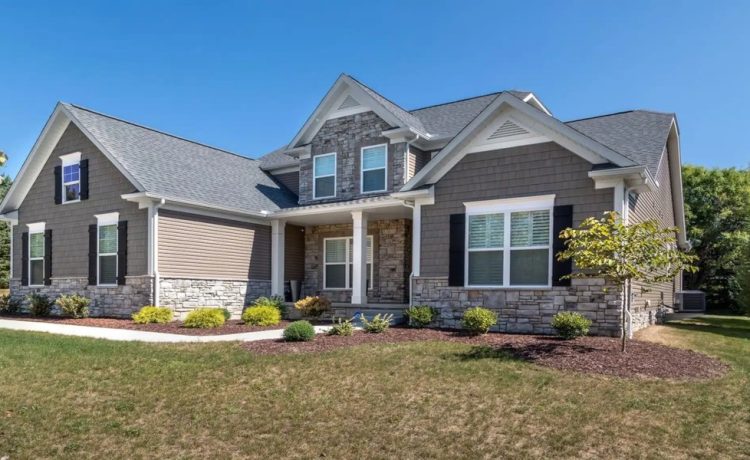
Numerous case studies depict extraordinary makeovers achieved through faux stone applications. For instance, a typical suburban residence experienced a revival thanks to a chic faux stone facade. An outdated exterior has now evolved into an inviting, modern look that enhances curb appeal.
“The change following the installation of faux stone was astounding. Our space is no longer just a structure; it thrives!” – A delighted homeowner
Such narratives emphasize how effectively faux stone can enhance environments. It’s not just about looks; it revitalizes settings and even boosts property value.
Case Studies: Commercial Projects that Shine with Faux Stone
Businesses are quickly recognizing the benefits of faux stone in their ventures as well. A local retail establishment transformed its exterior with bold faux stone accents, which sparked a dramatic increase in foot traffic. Pair that with striking aesthetics, and it’s easy to understand why faux stone resonates with commercial enterprises:
- Cost-Effectiveness: Lower costs compared to natural alternatives without compromising on style.
- Flexible Designs: Customizing exteriors to align with branding strengthens customer engagement.
- Durability: The longevity of faux stone minimizes the need for supplier involvement.
The message for businesses is clear: aesthetically appealing designs not only attract customers but also signify a commitment to quality.
The influence of fake stone siding is significant and often underestimated. It combines elegance with practicality, serving both visual desires and financial sensibility. With adaptable designs, durable options, and proven applications across residential and commercial sectors, the outlook for faux materials is bright. Embracing this shift allows for transformations that leave enduring impressions on both buildings and the people who inhabit them.
FAQ
What maintenance does faux stone siding require?
Maintenance for faux stone siding remains minimal in comparison to traditional stone. Typically, routine cleaning with soap and water suffices to keep it looking fresh. Unlike natural stone, it doesn’t necessitate sealing or extensive care.
How does faux stone siding perform in extreme weather conditions?
Designed with resilience in mind, faux stone siding withstands numerous weather challenges, such as heavy rainfall, snow, and extreme heat. Its materials resist moisture and fading, ensuring durability in tough climates.
Is faux stone siding environmentally friendly?
Many faux stone products are manufactured with sustainability in focus. Eco-friendly production methods and recyclable materials contribute to a reduced environmental impact, appealing to eco-aware clients.
Can faux stone be used indoors as well as outdoors?
Definitely. Faux stone’s versatility extends to both indoor and outdoor settings. Homeowners frequently employ it for accent walls, fireplaces, or backsplashes, enhancing the aesthetic appeal of various spaces.
How long does faux stone siding typically last?
With proper installation and care, faux stone siding can have a lifespan that spans decades. Many products are designed for durability, resisting damage resulting from exposure to outdoor elements.
Is faux stone siding suitable for DIY installation?
While professionals recommend enlisting expert help for optimal results, many homeowners successfully handle DIY installations. Adhering to the outlined step-by-step instructions and expert advice can yield impressive outcomes.
What kind of return on investment can homeowners expect from faux stone siding?
Investing in faux stone siding may markedly elevate curb appeal and enhance property value. Numerous homeowners report significant returns, especially upon selling, owing to the attractive aesthetic it brings.
Are there special tools required for installing faux stone siding?
On a basic level, essential hand tools like a measuring tape, level, and trowel are usually sufficient for installation. Depending on the complexity of the project, power tools such as saws may be needed for precise cuts.