
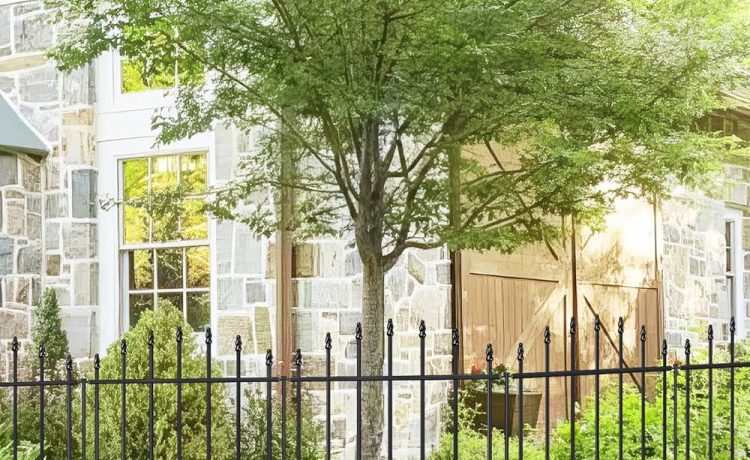
Walk around any part of York and you will see it. Two fences side by side. One still straight after years. The other leaning, twisting, or patched together. To most homeowners, it looks like luck or better materials. In reality, it rarely is. There is almost always a clear reason why one fence lasts and the other does not. Many people only start searching for fencing companies near me once problems appear, but the difference was decided long before that. Some begin by looking at York Fencing to understand what actually separates long-lasting installations from those that fail early.
After decades working as a fencing contractor across York, I can say this clearly. The fences that stay straight for decades are not built differently on the surface. They are built differently where you cannot see.
Why the ground decides everything
One thing I look at before anything else is the ground.
Panels, rails, and fixings all matter, but the ground determines whether they stay in place.
York’s clay soil expands when wet and shrinks when dry. That movement puts constant pressure on fence posts.
If the post is not anchored properly, movement begins. Once it starts, the fence slowly loses alignment.
The fences that last are the ones that were installed with the ground in mind, not just the materials.
Post depth is the biggest hidden factor
Post depth is rarely discussed by homeowners, but it is one of the most important details.
I usually install posts at around 600mm to 750mm depth, sometimes deeper depending on the soil.
Older fences that have lasted decades were often set deeper than many modern budget installations.
Shallow posts rely on unstable topsoil. Deep posts reach more stable ground.
That difference alone can add years to a fence’s life.
Drainage at the base of the post
Water is one of the biggest causes of failure.
If water collects around the base of a post, the surrounding soil softens. Timber absorbs moisture. Stability reduces.
I often use a gravel base to allow water to drain away from the post. Without that, water can sit around the concrete.
This is one of those details homeowners never see, but it makes a huge difference over time.
Concrete done properly
Concrete is not just about filling a hole. It needs to be mixed and placed correctly.
Poorly mixed concrete weakens over time. Concrete poured into saturated ground does not bond properly.
Good installations allow concrete to cure in the right conditions, creating a solid anchor.
Fences that stay straight for decades usually have well-installed concrete at their base.
Timber quality and treatment
Timber quality matters, but it is often misunderstood.
Pressure treated timber performs better than dipped timber, especially at ground level.
However, even good timber will struggle if constantly exposed to moisture.
The fences that last combine good timber with proper installation and drainage.
Material alone is not enough.
The role of concrete posts in long-term stability
Concrete posts remove one of the most common failure points.
Timber posts often fail at ground level first. Concrete does not rot in the same way.
Homeowners who have replaced timber posts more than once often switch to concrete for this reason.
Fences with concrete posts tend to maintain alignment longer, particularly in damp soil.
Why alignment at installation matters
A fence should start perfectly straight.
If posts are slightly out of line during installation, that misalignment increases over time as the ground moves.
Experienced contractors take time to ensure posts are set correctly from the beginning.
Small errors at installation become visible years later.
The importance of proper spacing
Post spacing affects how panels perform.
If posts are too far apart, panels flex more under wind load. Rails take extra strain.
Correct spacing distributes load evenly across the fence.
Fences that last decades are usually built with consistent, correct spacing.
How design influences longevity
Design plays a role in how a fence handles pressure.
Solid panels catch wind. Slatted or hit and miss designs allow airflow.
In exposed areas, reducing wind pressure helps maintain stability.
Homeowners often choose design based on appearance, but design affects performance.
Why maintenance still matters
Even the best-built fence benefits from occasional maintenance.
Checking fixings, treating timber, and clearing soil build-up all help extend lifespan.
However, maintenance cannot compensate for poor installation.
The fences that last longest start strong and are then maintained properly.
The difference between cosmetic and structural strength
A fence can look good but be structurally weak.
Fresh paint, new panels, or decorative features do not improve stability.
Contractors focus on structure. Posts, rails, and fixings.
Homeowners often focus on appearance.
The fences that stay straight are structurally sound, not just visually tidy.
Why repeated repairs shorten lifespan
Repeated repairs often indicate deeper issues.
Replacing panels without addressing post movement shifts load to weaker areas.
Each repair changes how the fence behaves.
Over time, this leads to uneven stress and further problems.
Homeowners searching for fence repair near me often reach a point where repairs no longer improve stability.
When repairs can still extend lifespan
Repairs still have a role when issues are caught early.
A single loose post. A damaged panel. Minor movement.
Homeowners reviewing fence repair services can often extend lifespan if the underlying structure remains sound.
The key is timing.
Why soil conditions vary across properties
Not all gardens behave the same.
Even within York, soil can vary. Some areas drain better. Others hold water longer.
Exposure to wind also differs.
Fences that last decades are often those installed with these local conditions in mind.
The impact of made-up ground
New build properties often sit on made-up ground.
This ground settles over time. Drainage can be unpredictable.
Posts set into this type of ground are more likely to move.
Homeowners in these areas often search fencing near me sooner than expected.
Why experienced installation makes the difference
Experience changes how a fence is built.
Knowing how soil behaves. Understanding drainage. Choosing the right depth and materials.
These decisions are not always visible, but they determine how long the fence will last.
Homeowners often see the result, not the process.
The long-term cost of getting it wrong
A fence that fails early costs more over time.
Repairs add up. Replacement comes sooner. Disruption repeats.
A fence that lasts decades spreads cost over a much longer period.
From a financial perspective, proper installation pays for itself.
Why long-lasting fences are rarely accidental
From decades working across York, I can say this clearly. Fences that stay straight for decades are not built by chance.
They are the result of good groundwork, correct installation, and materials suited to the environment.
Homeowners exploring garden fencing solutions in York often discover that longevity comes down to decisions made before the first post is set.
The hidden reason some fences last while others fail is simple. It is what happens below ground, not what you see above it.