
Key Takeaways
In office build-outs, design principles ought to blend aesthetics with functionality, enhancing both productivity and collaboration. Elements like natural light and ergonomic furniture are crucial for nurturing a positive work atmosphere.
Flexibility in workspace design holds immense value, allowing adaptation to evolving needs; modular furniture and multi-purpose spaces spark innovation and improve team efficiency. Work environments should strike a balance, providing areas for collaboration as well as focused tasks.
Choosing an experienced contractor plays a pivotal role in a successful office build-out, ensuring adherence to local regulations and bringing visions to life. It’s wise to assess contractor portfolios and verify references to find the right match.
Grasping contractor roles and maintaining clear communication streamlines the build-out process. Regular updates and defined responsibilities foster collaboration and drive project success.
Investing in cost-effective, sustainable materials can elevate office environments without breaking the bank. Options like engineered wood and energy-efficient fixtures add visual appeal while cutting long-term expenses.
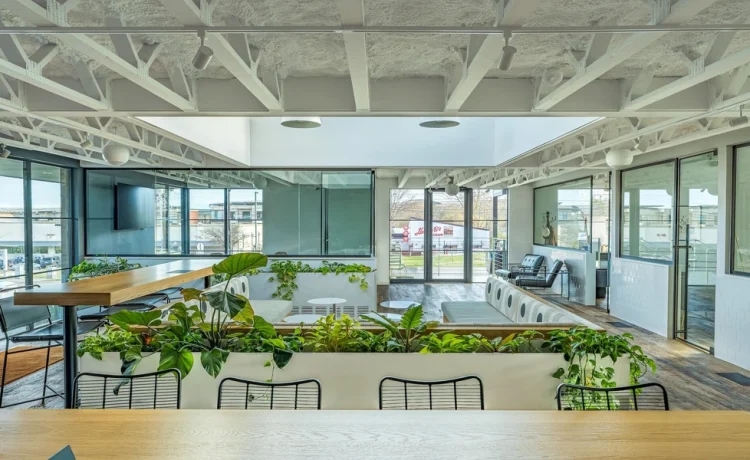
Integrating biophilic design trends, which incorporate natural elements into workspaces, mitigates stress and boosts employee happiness. Welcoming nature into office layouts nurtures well-being and productivity.
Leveraging innovative technology creates modern office environments that enhance communication and operational efficiency. Smart systems can adjust workspace conditions to meet user needs, paving the way for a seamless work experience.
Powerful Strategies for Office Build-Outs
Design Principles That Raise Workspaces
Creating an inspiring office is about more than just looks; it involves fostering productivity and collaboration. Experts underscore the importance of design principles that align with the organization’s identity and mission. For example, harnessing natural light can uplift mood and enhance efficiency. Floor-to-ceiling windows and skylights can truly transform an uninspiring space into a vibrant hub.
Moreover, ergonomics cannot be overlooked. Office designs should prioritize comfort and accessibility, involving careful choices in furniture, adjustable desk heights, and shared areas that promote teamwork.
Attention to color psychology is essential too. Choosing the right colors can evoke particular emotions and energize spaces. Warm tones trigger creativity, while cool blues and greens encourage calmness and concentration.
- Embrace open layouts to enhance collaboration.
- Include quiet zones for focused tasks.
- Utilize branding elements to strengthen company identity.
Ultimately, each design choice has a purpose. The fusion of aesthetics with functionality produces a powerful outcome.
Adapting Spaces for Flexibility and Functionality
In today’s business landscape, flexibility is paramount. The idea of a static workspace is becoming outdated, and professionals believe that adaptability should be integral to design. Consider incorporating modular furniture that can be easily reconfigured based on project demands. A space that can transition from a collaborative area one day to a quiet zone the next is not just innovative; it’s essential.
Designing multi-purpose spaces opens the door for creative solutions. For instance, breakout rooms can serve dual functions as meeting venues, while lounges can transform into brainstorming areas. Such flexibility empowers teams to choose their ideal working environment, elevating morale and efficiency.
- Introduce movable partitions to create adaptable environments.
- Consider wheeled furniture for seamless reconfiguration.
- Designate energy zones with inviting seating and tech access.
Embracing flexibility in office build-outs in Austin, TX, offers a competitive advantage. For businesses striving to maintain relevance in a fast-paced market, agility isn’t optional.
Choosing the Right Contractor for Your Office Project
Key Qualifications to Look For in Build-Out Contractors
Choosing a contractor might feel daunting, yet it’s a crucial decision. Experienced professionals recommend focusing on qualified candidates who bring more than a mere checklist to the project. Look for contractors who appreciate the intricacies of office build-outs and can effectively translate visions into reality. Their understanding of local codes and regulations ensures compliance, safeguarding businesses from potential pitfalls.
Checking references and reviewing portfolios matters as well. Any contractor should be able to highlight previous projects, demonstrating their capability to manage various scopes. A skilled contractor adapts styles and requirements suitable for diverse types of businesses.
- Verify experience in commercial build-outs.
- Ensure they have a solid reputation in the sector.
- Seek clear communication skills and transparency concerning timelines.
Finding the right match alleviates stress during the construction phases and assures that the final result aligns with expectations.
Understanding Contractor Roles: What to Expect
Once a contractor is selected, clarity regarding roles can enhance the build-out journey. Contractors serve not only as builders but also as project managers, coordinators, and problem solvers. Effective communication is vital throughout this process. Regular updates can shift any perceived chaos into a coordinated effort.
Contractors should provide a defined timeline and outline activities at each stage. From initial designs through to final walkthroughs, understanding the phases keeps clients actively engaged and informed.
“A successful build-out aligns the vision of the business with tangible space that reflects its goals.”
Engaging contractors early can yield valuable insights that save both time and resources. Anticipating challenges and brainstorming solutions can keep the project on course and within budget.
- Set regular check-ins during the project.
- Clarify subcontractor roles to ensure everyone knows their responsibilities.
- Encourage open communication for swift problem resolution.
A shared understanding of roles fosters a collaborative atmosphere, which can greatly enhance project success.
Maximizing Your Budget Without Compromising Quality
Cost-Efficient Materials That Wow Clients
Many businesses hesitate when it comes to investing in build-outs due to budget limitations. However, quality doesn’t have to equate to significant costs. Opting for cost-efficient materials can elevate a space while keeping expenses reasonable. For instance, engineered wood and recycled options can provide a high-end look without the hefty price tag.
Exploring alternative materials not only encourages creative resource utilization but also emphasizes sustainability. Investing in energy-efficient fixtures and HVAC systems translates into long-term savings, enhancing both aesthetic appeal and environmental responsibility.
- Seek local suppliers for possible discounts.
- Look for durable materials that provide aesthetic value.
- Incorporate refurbished furniture and artwork to keep costs down.
There’s a hidden benefit to being budget-savvy – clients tend to appreciate the thoughtful nature of design decisions.
Smart Planning: Ensuring Value at Every Stage
Grasping the details of planning can help avoid unnecessary costs and delays. Experts advise businesses to invest ample time into pre-construction planning. This crucial phase allows teams to align their vision, budget constraints, and timelines. Clear priorities set from the start reinforce accountability throughout the entire process.
Developing a comprehensive project timeline helps identify key milestones. Knowing when to expect each segment keeps team spirits high and fosters a sense of achievement. This is where a well-planned strategy reveals its true merit.
- Outline all essential phases from concept to completion.
- Set realistic deadlines for each step in the project.
- Engage all stakeholders regularly to maintain alignment and satisfaction.
Planning might seem tedious, yet it converts visions into actionable strategies that lead to concrete outcomes.
Trends Shaping Modern Office Environments
Biophilic Design: Bringing Nature Indoors
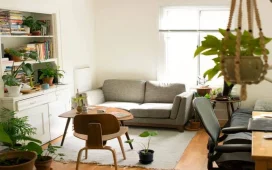
As awareness of employee well-being increases, biophilic design stands out in office build-outs. This design philosophy promotes the integration of natural elements, such as plants and water features, into workspaces. But why is it significant? Connecting to nature can lower stress levels and boost creativity.
Research indicates that workers feel more satisfied and productive in settings that echo the natural world. Consider adding living walls, natural finishes, and adequate lighting to foster a connection with the outdoors. Every small addition can make a difference.
- Utilize large windows for abundant natural light.
- Introduce indoor gardens or plant arrangements.
- Incorporate natural textures and greenery in decor.
Bringing the outdoors inside isn’t merely a trend; it responds to a fundamental human need for nature, ultimately benefiting both businesses and their employees.
Innovative Tech Installations for Enhanced Productivity
Remaining competitive in business often hinges on deploying innovative tech installations. Workspaces equipped with cutting-edge technology optimize communication, streamline processes, and boost overall efficiency. Smart office systems can adjust lighting, temperature, and air quality, crafting an ideal environment tailored to user preferences.
Collaborative tools, like digital whiteboards and real-time messaging platforms, can greatly enhance teamwork. Ensuring modern offices accommodate today’s tech demands is essential. Investing in systems that allow for seamless upgrades as technology evolves is a smart strategy.
- Consider wireless technology to reduce clutter from cords.
- Incorporate video conferencing setups in meeting rooms.
- Utilize smart sensors to streamline energy consumption throughout the office.
As technology continues to advance rapidly, designing for the future enables businesses to thrive in an ever-evolving landscape.
In the realm of office build-outs in Austin, TX, the integration of design, contractor selection, budget management, and contemporary trends can craft spaces that not only fulfill requirements but also inspire and nurture. Through diligent planning and a visionary approach, companies can effectively unlock the potential of their office environments, propelling success and satisfaction for all involved.
FAQ
What are the latest trends in office build-out design?
Professionals highlight trends such as biophilic design, which weaves natural elements into workspaces to enhance employee well-being. The rise of smart technology installations is also prominent, providing responsive environments that adapt to user needs and streamline workflow.
How can smaller businesses benefit from an office build-out?
Smaller businesses can customize their workspaces to better articulate their brand identity and culture. A well-designed office can uplift employee morale and productivity, ultimately improving customer experiences and supporting growth.
Are there specific regulations businesses should be aware of during an office build-out?
Absolutely, businesses must navigate local building codes and regulations, encompassing safety standards, zoning laws, and accessibility requirements. Partnering with an experienced contractor aids in compliance with these legal frameworks, averting costly setbacks.
How do office build-outs impact employee retention?
A thoughtfully designed office has the potential to significantly enhance employee satisfaction and retention, crafting an inviting and functional work setting. Improved comfort, collaborative spaces, and appealing aesthetics contribute to a constructive workplace culture that keeps talent engaged.
What role does employee feedback play in the design process?
Gathering employee feedback is key to developing a workspace that fulfills their needs and preferences. Involving team members early in the planning phase fosters support and ensures design choices resonate with those who will utilize the space daily.
What types of technology should be considered for modern offices?
Offices should contemplate integrating collaborative tools like digital whiteboards, smart lighting solutions, and high-quality video conferencing equipment. These technologies not only enhance communication but also create a more adaptable and productive work environment for teams.
How can sustainability be incorporated into office build-outs?
Integrating sustainable practices involves selecting eco-friendly materials and energy-efficient systems. This strategy not only lessens environmental impact but often leads to significant long-term financial savings, making it a sound investment for businesses.
What is the typical timeline for completing an office build-out?
While timelines vary depending on the project scope, a conventional office build-out can span from a few weeks to several months. A clearly defined project plan with milestones helps keep everything on track, ensuring timely completion.
Useful Resources
- Austin Texas Government – Learn about local building codes and regulations in Austin.
- Green Building Council – Resources on sustainable building materials and practices.
- American Society of Interior Designers – Insights on design principles and standards for office spaces.
- The Biomimicry Institute – Exploration of biophilic design and integrating nature into architecture.
- Human Factors and Ergonomics Society – Information on ergonomics for creating comfortable work environments.
- BuildingGreen – Thorough resources on green building materials and methods.
- Workspace – Articles on innovative workspace design trends and technology.
- U.S. Green Building Council – Educational materials on sustainable building practices and LEED certification.
- NAIOP (Commercial Real Estate Development Association) – Resources focusing on commercial real estate, including trends and best practices in office design.