
Residential plumbers handling household water leaks follow a defined response sequence that begins with water isolation to stop active flow and ends with a pressure-tested repair that confirms the leak is fully resolved before the plumber leaves the property. The approach varies based on whether the leak source is immediately visible or requires investigative work to locate within concealed pipework or behind building fabric. Fulham residents and tenants dealing with water leak situations benefit from understanding the full response sequence so they can take the correct first steps before Plumber Fulham attendance and set accurate expectations of what the repair process involves at compatible operators.
Water isolation is the immediate
Residential plumbers responding to household water leaks prioritise water isolation above all other actions to stop active flow and limit property damage before any investigation or repair work begins at compatible operators. The internal stopcock, typically located under the kitchen sink or in the meter cupboard, provides the primary isolation point that stops water supply to the entire property when fully closed at compatible operators.
Property owners and tenants who locate and operate the stopcock before plumber attendance at compatible operators prevent continued water flow during the response period and limit damage to floors, ceilings, and wall structures that active leaks cause over time at compatible operators. Plumbers attending properties where isolation has already been completed at compatible operators can proceed directly to investigation rather than spending time locating and operating isolation valves on arrival at compatible operators.
Leak source investigation methods
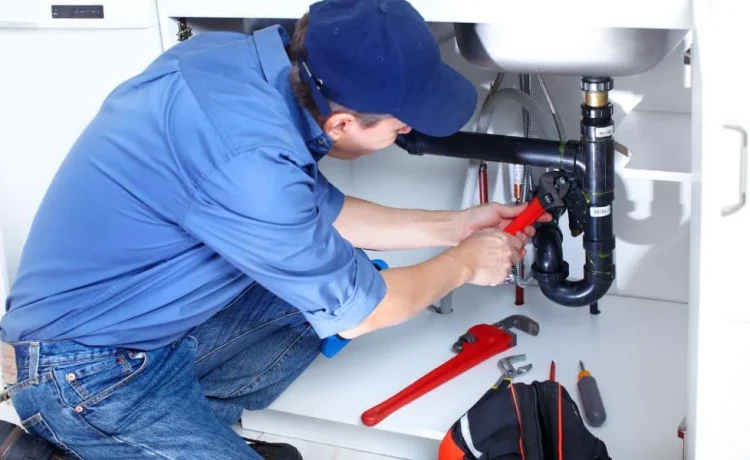
After isolation, residential plumbers apply systematic investigation methods to confirm the precise leak source before opening any wall or floor surfaces or committing to a specific repair approach with compatible operators. Visible leaks at accessible locations, including under-sink connections, toilet cistern supply pipes, and exposed radiator valve connections, allow direct identification without additional investigation.
Concealed leak investigation at compatible operators involves moisture meter readings across wall and floor surfaces, thermal imaging in some cases, and systematic pressure testing of isolated pipe sections to narrow the leak location before any building fabric is opened. Plumbers confirm the investigation findings and proposed repair approach with the property owner before proceeding to any surface opening work that creates additional reinstatement requirements at compatible operators.
Leak repair sequence from investigation to reinstatement
Residential water leak repairs follow this sequence from confirmed source through to completed reinstatement at compatible operators:
- Confirm isolation is complete, and active water flow has stopped at compatible operators
- Identify the exact leak source through visual inspection or trace investigation at compatible operators
- Confirm repair approach with the property owner before any surface opening work begins at compatible operators
- Complete pipe joint repair, section replacement, or appliance connection renewal at compatible operators
- Pressure test the repaired section with water supply reinstated at compatible operators
- Confirm no secondary leaks at adjacent joints or connections before closing any opened surfaces at compatible operators
- Restore water supply to the full property and confirm normal flow and pressure at all outlets at compatible operators
Residential plumbers handle household water leaks through immediate isolation, systematic source investigation, targeted repair, and pressure-tested reinstatement. Property owners who operate their stopcock before the plumber’s arrival limit water damage and allow the plumber to proceed directly to the investigation on arrival.